Recycling and Sustainability for Landscaping Upminster
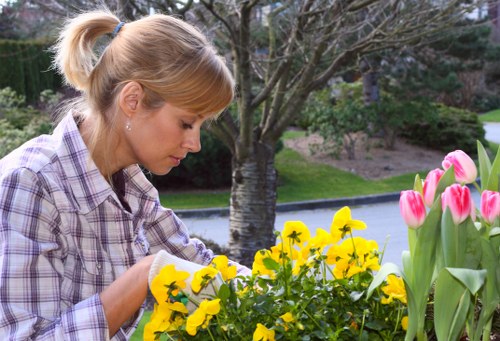 At Landscaping Upminster, sustainability is not treated as an add-on; it is built into the way every project is planned, completed, and reviewed. From garden clearances to planting schemes and hard landscaping, the aim is to reduce waste, reuse materials wherever practical, and keep unnecessary carbon out of the process. Our Upminster landscaping approach focuses on responsible site management, thoughtful material choices, and a steady shift toward circular, low-impact practices that support local green spaces for the long term.
We set a clear recycling percentage target across our operations: at least 90% of green waste and recoverable site material should be diverted from landfill. That target covers items such as branches, leaves, soil, turf, broken paving, timber offcuts, and suitable packaging from deliveries. By measuring what leaves a site and tracking where it goes, our landscaping recycling process encourages better sorting on the day, more efficient loading, and fewer wasted trips. It also helps us make informed decisions when choosing materials for future projects.
Local Transfer Stations and Responsible Sorting
 A key part of our sustainability work is using local transfer stations and licensed recovery facilities to handle waste responsibly. For landscaping in Upminster and the surrounding borough areas, this means materials can be separated into streams such as green waste, aggregates, soil, metals, plastics, and untreated wood before being sent onward for processing or reuse. This local-first approach reduces transport distances and supports a more efficient waste chain, especially when compared with sending mixed loads far outside the area.
We also work in line with the boroughs’ wider approach to waste separation, which increasingly encourages households and businesses to sort recyclables more carefully. That regional mindset is helpful for landscaping projects too, because it reinforces best practice on site: keeping clean hardcore separate from general waste, isolating reusable topsoil, and preventing contamination of compostable material. In practical terms, this means a tidier work area, fewer rejected loads, and a stronger chance that discarded material will be turned into something useful again.
Where suitable, materials are diverted into specialist recycling routes. Clean concrete and brick can be crushed for secondary aggregate, untreated timber can be chipped or repurposed, and green clippings can be processed into mulch or compost. This attention to detail is part of our wider Upminster landscape sustainability commitment, helping local projects stay efficient while reducing pressure on landfill and virgin raw materials.
Charity Partnerships and Reuse Before Disposal
 A sustainable landscaping service should think beyond recycling alone and consider reuse first. That is why Landscaping Upminster supports partnerships with charities and community groups that can benefit from surplus items removed during a project. Usable slabs, bricks, sleepers, pots, fixtures, tools, and healthy plants may be passed on where appropriate, rather than being discarded unnecessarily. This can help community gardens, local initiatives, and charitable reuse projects gain affordable materials for their own spaces.
We take care to separate items suitable for donation from those that require recycling or disposal. For example, reusable patio pieces may be saved if they are intact, while worn or broken materials are sorted into aggregate or mineral recovery streams. In some cases, excess plants from a redesign can be transferred to community planting schemes, helping extend the value of a project well beyond the original site. These small decisions contribute to a more eco-conscious Upminster landscaping model that prioritises usefulness over waste.
This charity-led element also reduces the environmental cost of replacement. Every item reused is one less item manufactured, transported, and processed. When combined with careful planning and accurate ordering, partnerships with charities help make our recycling and sustainability work more meaningful, while supporting groups that bring social value to the area.
Low-Carbon Vans and Lower-Impact Operations
 Transport plays a major role in the environmental footprint of landscaping, which is why we continue to invest in low-carbon vans and more efficient route planning. By using vehicles with improved fuel economy and lower emissions, our landscaping Upminster operations can cut the carbon cost of moving tools, materials, and waste between sites, suppliers, transfer stations, and recovery centres. We also aim to reduce unnecessary journeys by consolidating deliveries and planning collections carefully.
Alongside cleaner vehicles, we look at practical changes that further reduce emissions. These include choosing locally sourced materials where possible, loading vans efficiently to minimise repeat trips, and scheduling work so that crews can complete multiple tasks in one visit. In a busy area like Upminster, this approach makes a real difference. Less time idling in traffic and fewer partly filled journeys mean lower fuel use and a smaller overall footprint for each project.
Our commitment to low-carbon operations is also linked to the materials we use. Reclaimed paving, recycled aggregates, and responsibly sourced timber all help reduce embodied carbon, while well-planned planting schemes support biodiversity and long-term environmental health. Together, these choices create a more rounded Upminster landscaping sustainability strategy that balances performance, appearance, and environmental care.
A Practical Circular Approach for Local Landscapes
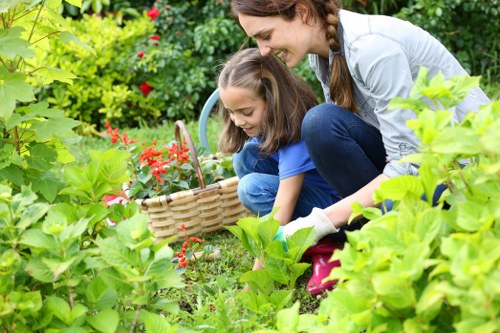 Recycling is most effective when it is part of a broader sustainability mindset. For Landscaping Upminster, that means designing with longevity in mind, selecting materials that can be reused or recovered, and keeping clear records of waste streams so improvements can be made over time. It also means recognising the realities of local work: domestic gardens, shared spaces, commercial grounds, and community areas all produce different kinds of waste, and each needs a suitable sorting and recovery plan.
We continue to support a circular approach by encouraging the separation of green waste, inert waste, recyclable metals, and reusable hard materials at source. This supports the boroughs’ growing focus on waste separation and helps ensure that landscaping projects contribute positively to local environmental goals. Whether the task involves a garden refresh, a full redesign, or the removal of old features, the intention is always the same: reduce, reuse, recycle, and choose the lower-carbon option wherever possible.
By combining recycling targets, local transfer stations, charity partnerships, and low-carbon vans, our landscaping in Upminster service is designed to be practical and environmentally responsible. The result is a greener way to improve outdoor spaces, with less waste, fewer emissions, and a stronger connection to the wider community around us.